What is Tetrahand?
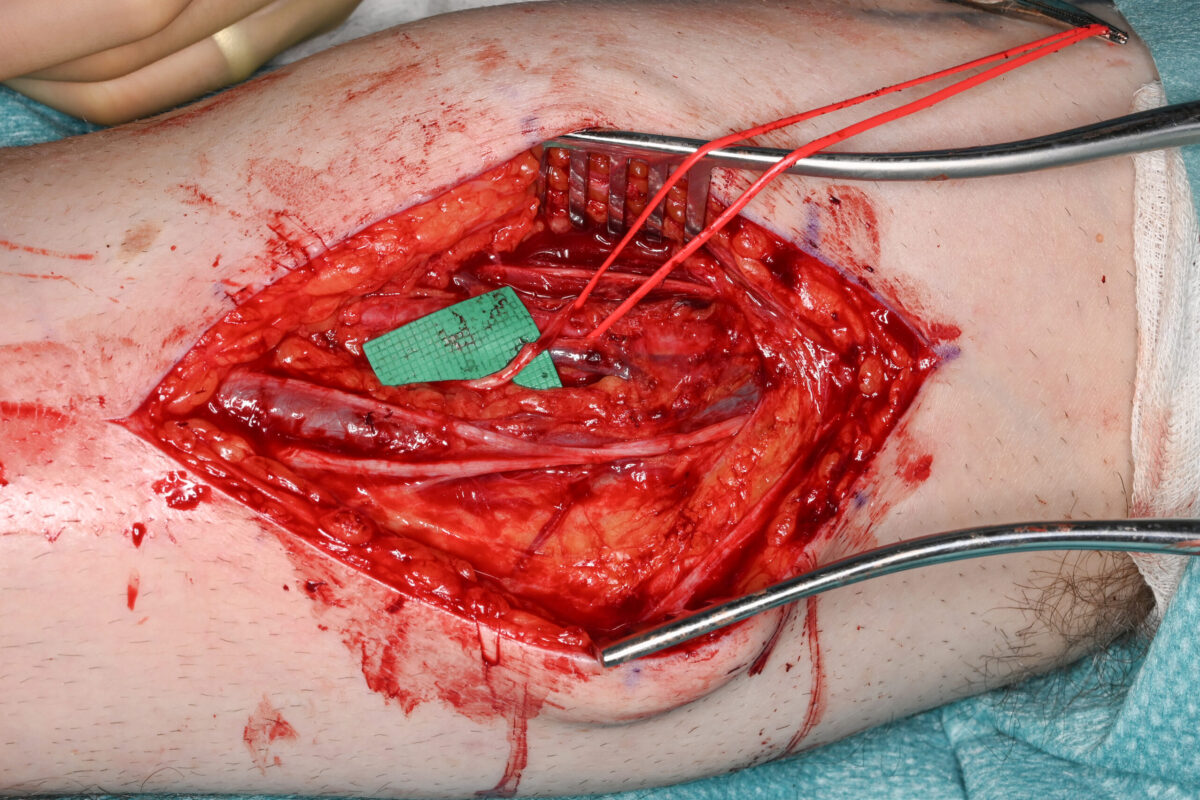
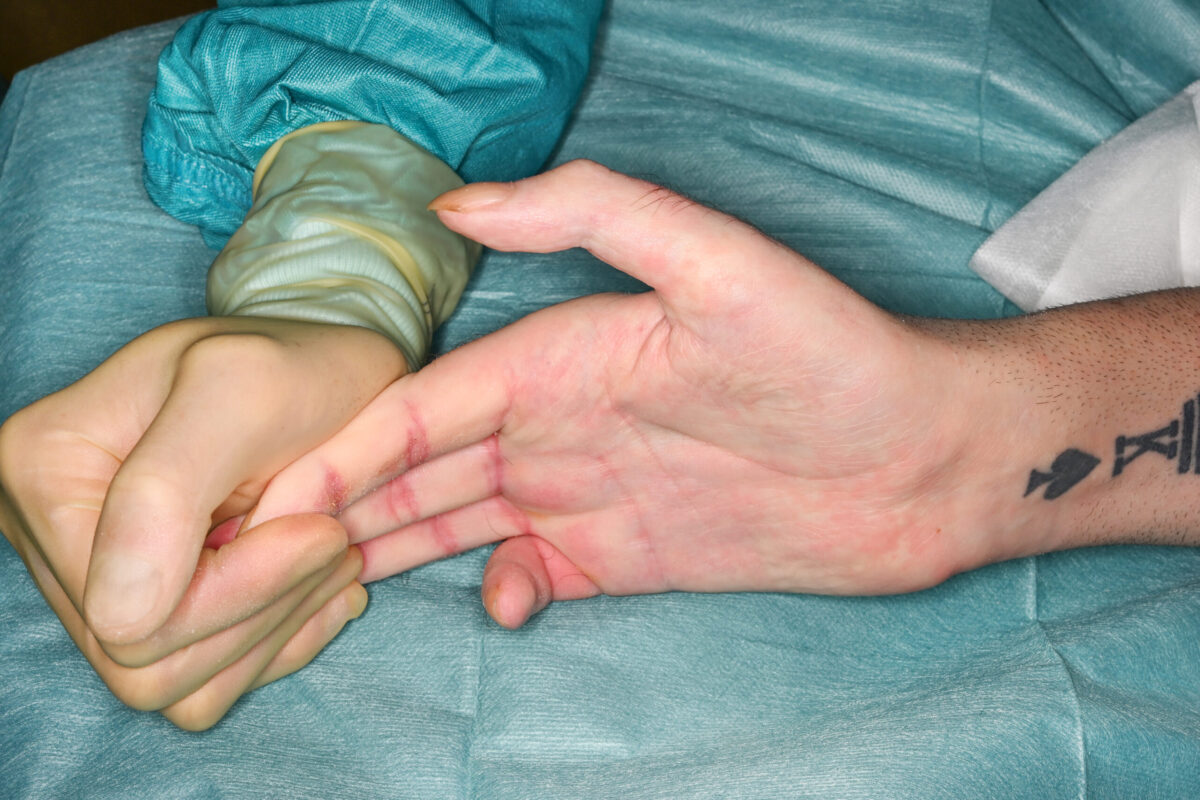
Tetrahand surgery focuses on restoring hand and arm function for people living with spinal cord injury and other neurological conditions. The goal is to improve independence in everyday activities, such as holding a cup, using a phone,
or feeding oneself
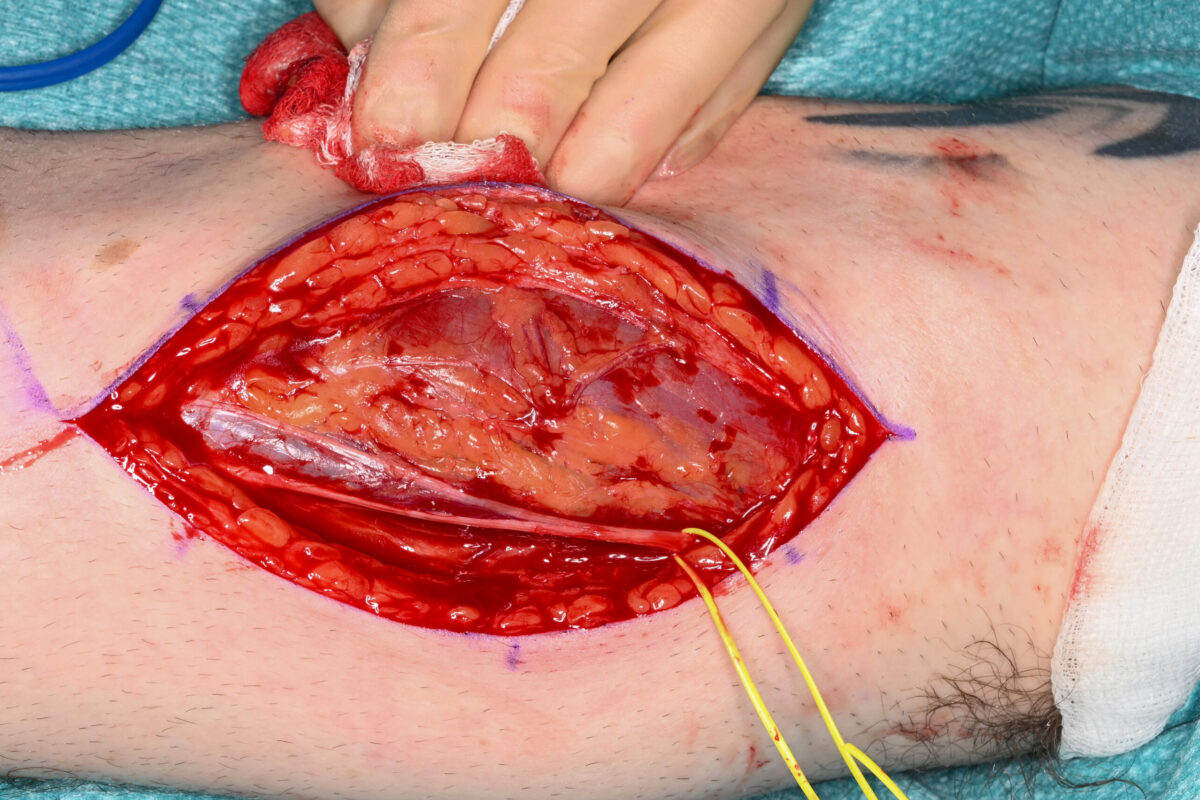
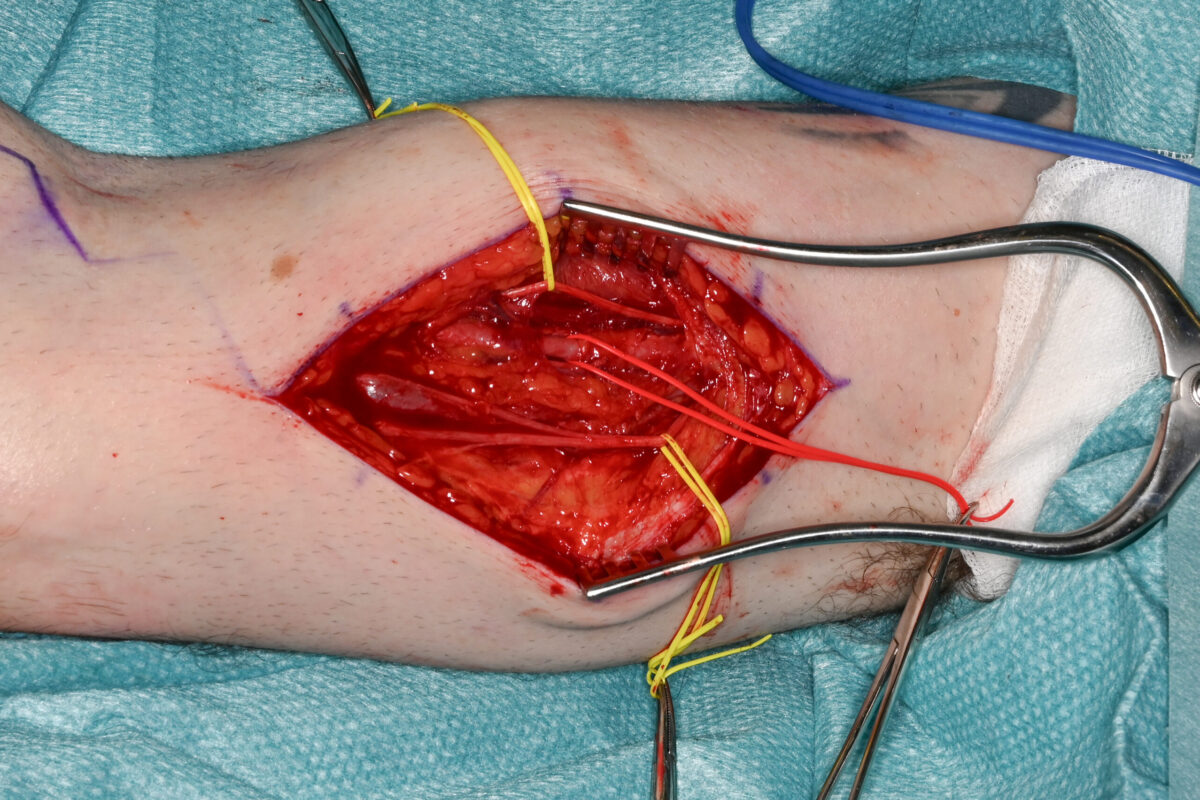
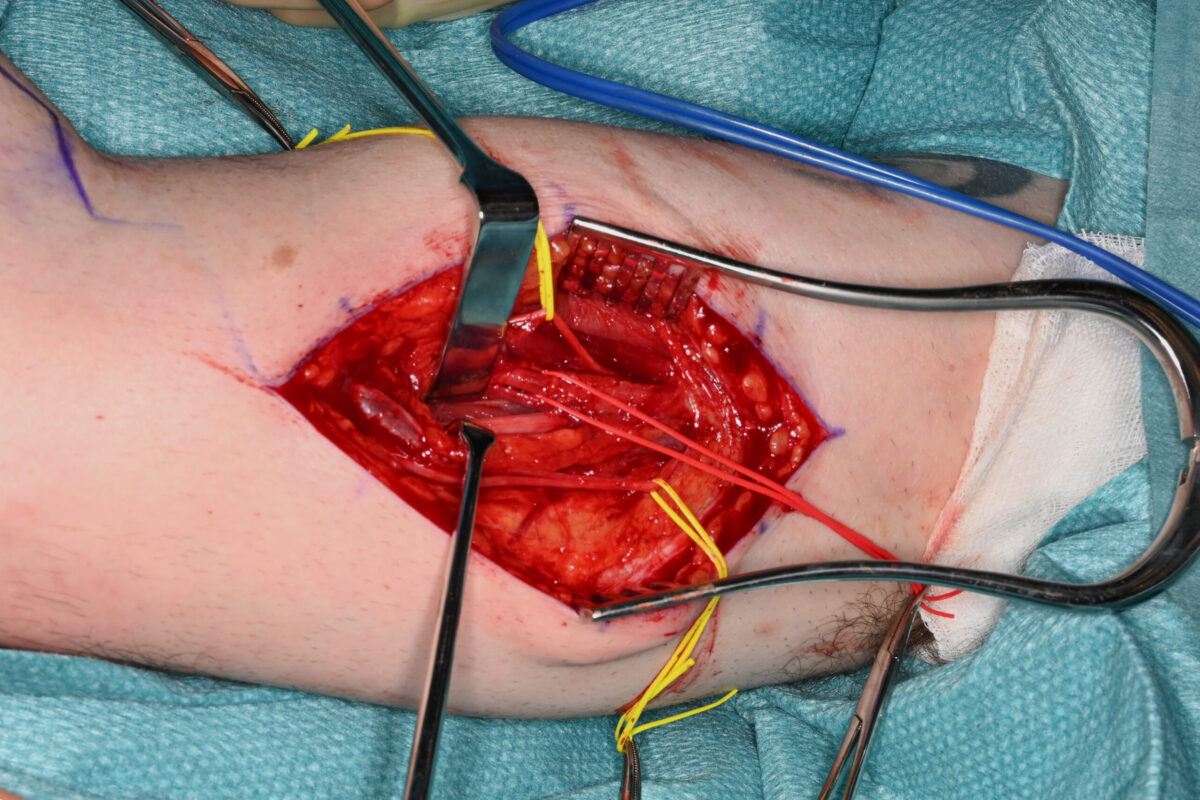
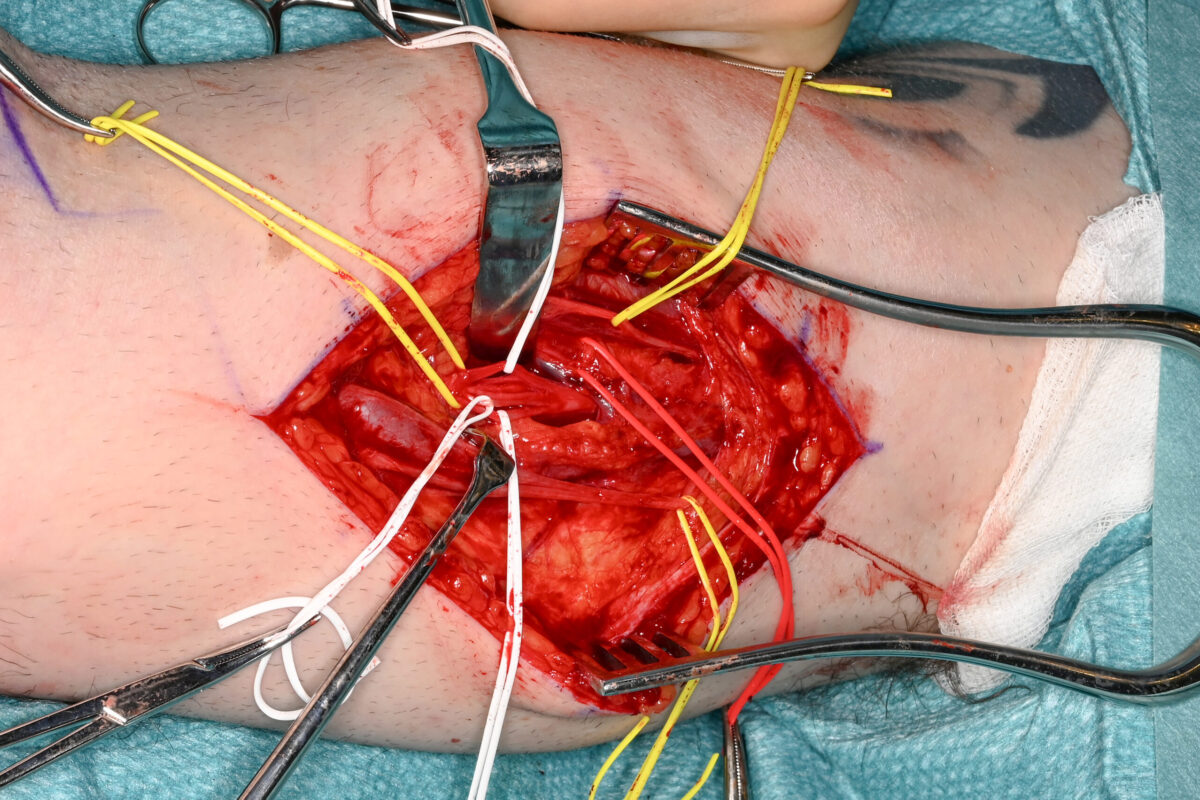
The two main techniques used are nerve transfer and tendon transfer surgery:
-
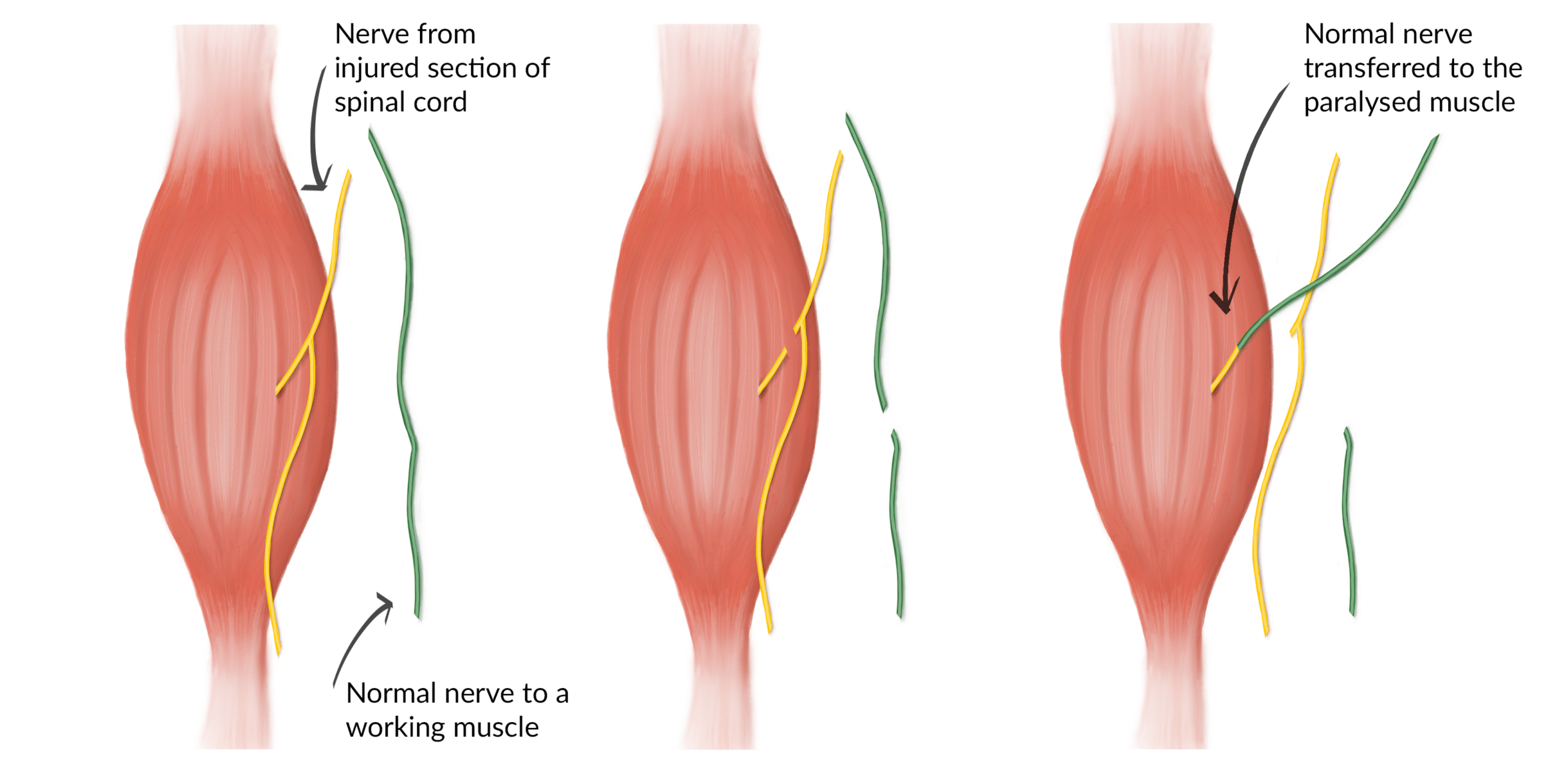
- Illustration – By Sarah Knutson – © BHT Medical Photography and Video Department
Nerve transfer
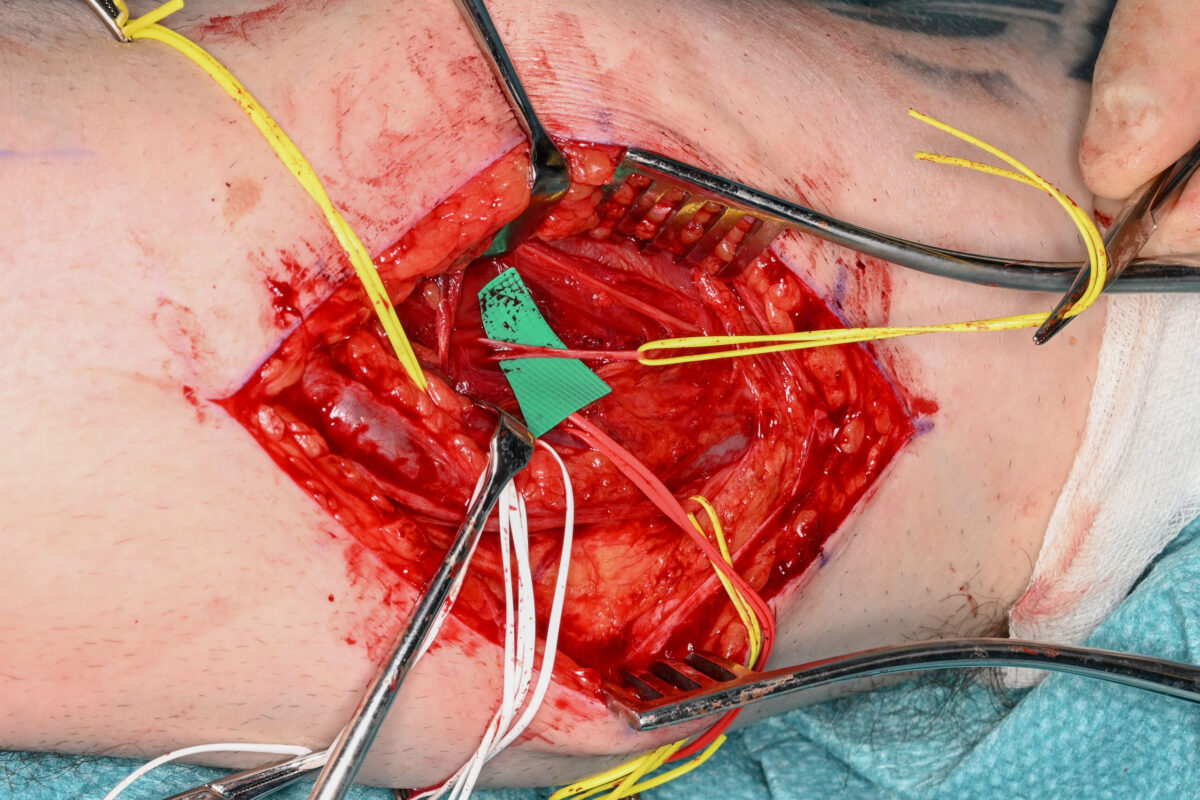
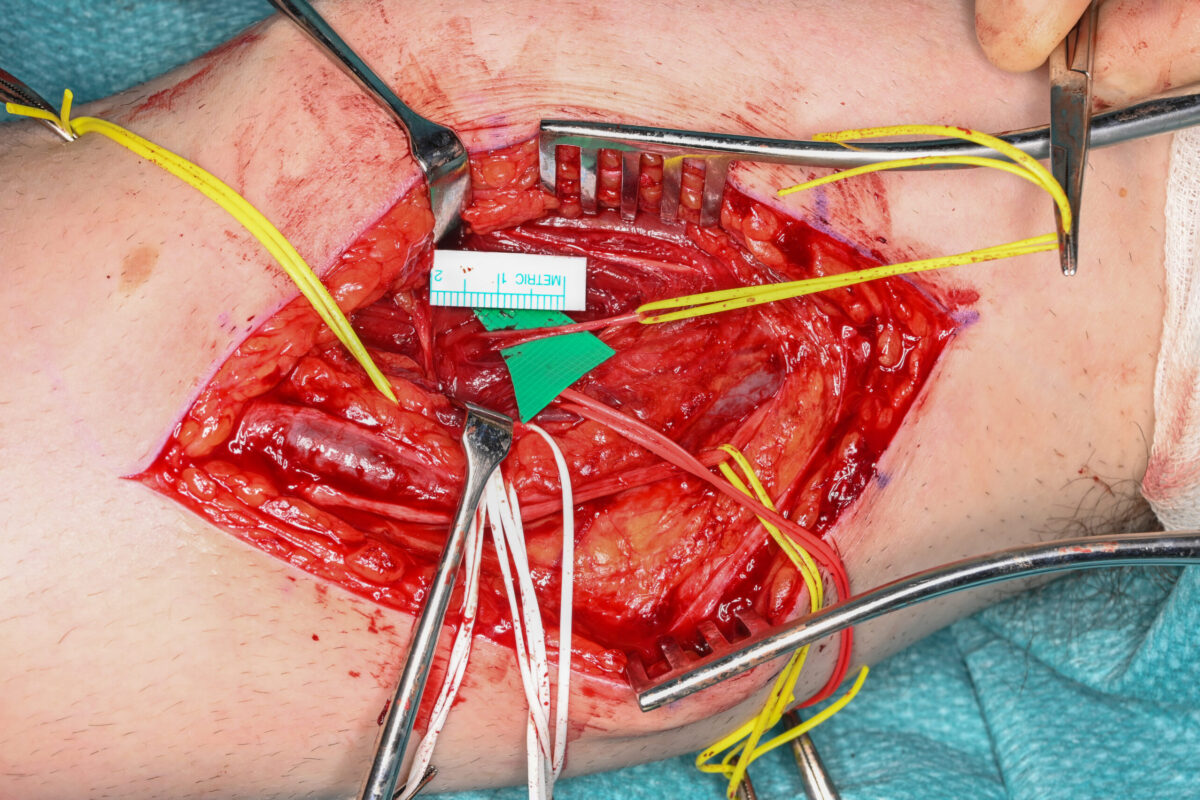
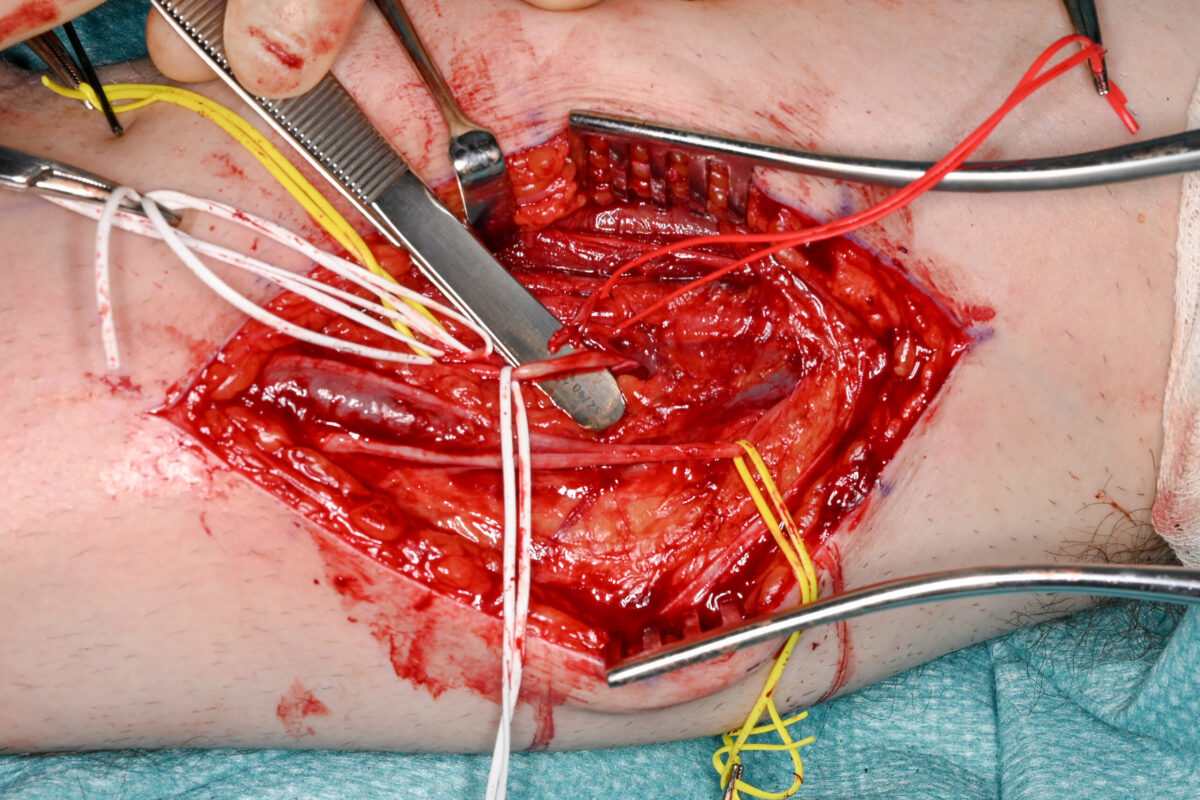
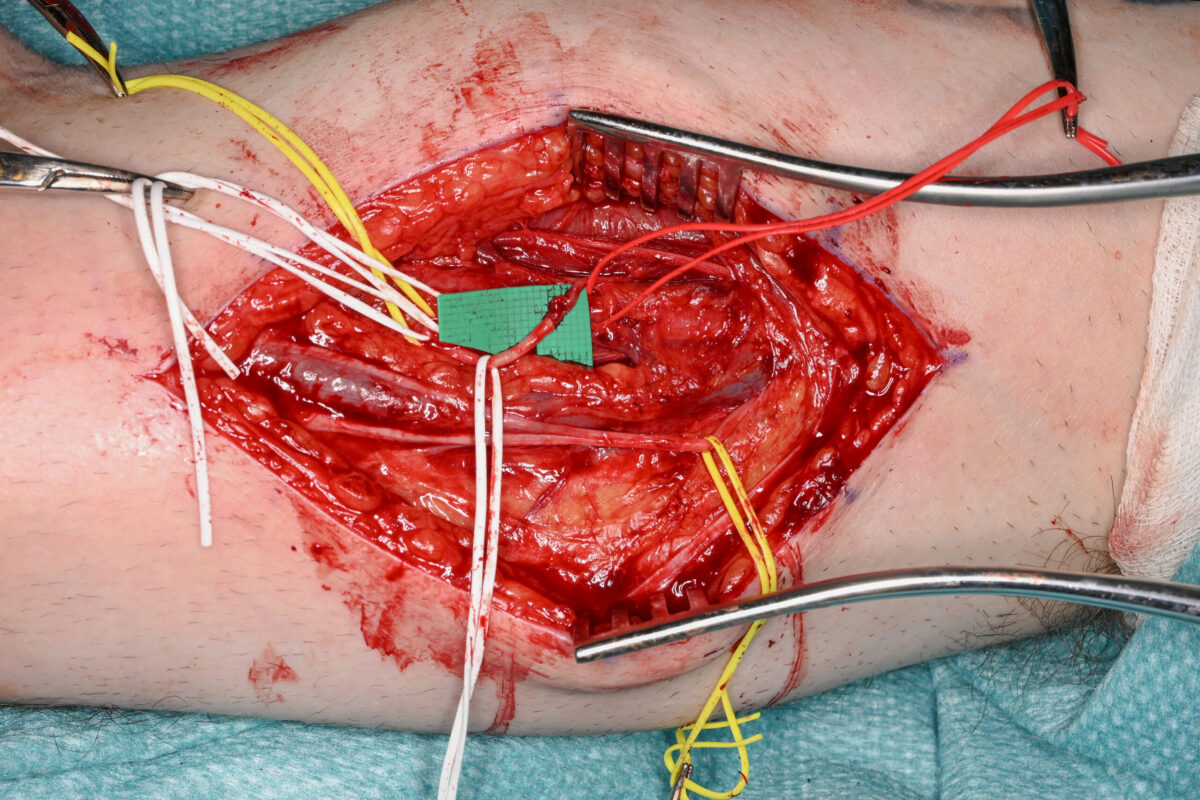
Involves taking a healthy nerve that controls a working muscle (a donor nerve), cutting it, and reattaching it to the nerve of a paralyzed muscle (a recipient nerve). This allows the paralyzed muscle to be “re-animated” and regain function.
Tendon transfer
Repositions tendons from stronger muscles to replace the function of weaker or paralyzed muscles, improving grip, reach, and limb positioning.
In some cases, these procedures are combined with tendon lengthening, intramuscular Botulinum toxin, splinting, and strengthening therapy to maximize outcomes.
While our primary focus is on spinal cord injury, Tetrahand surgery has also helped people living with stroke, acquired brain injury, cerebral palsy, multiple sclerosis, and peripheral nerve injury.
At its core, Tetrahand is about restoring movement, independence, and quality of life—giving patients back the ability to do the things that matter most.
THE BIRTH OF THE S-PIN TRANSFER
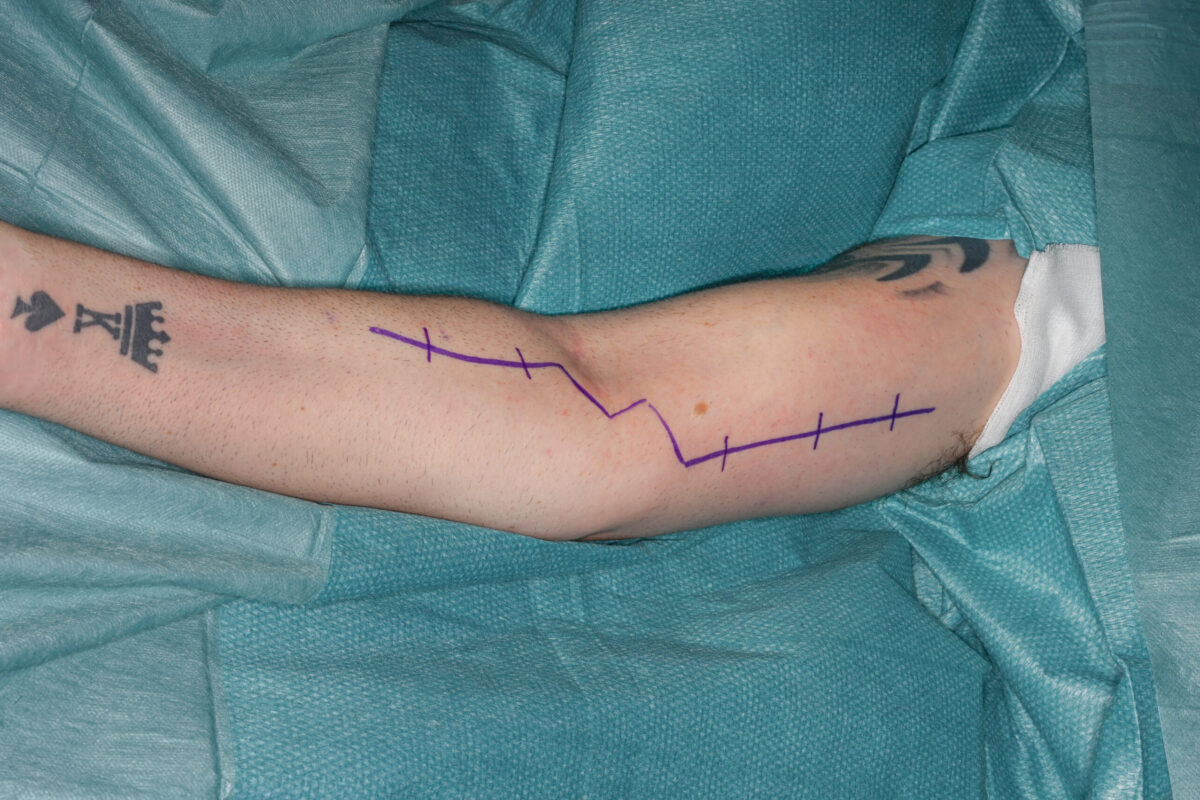
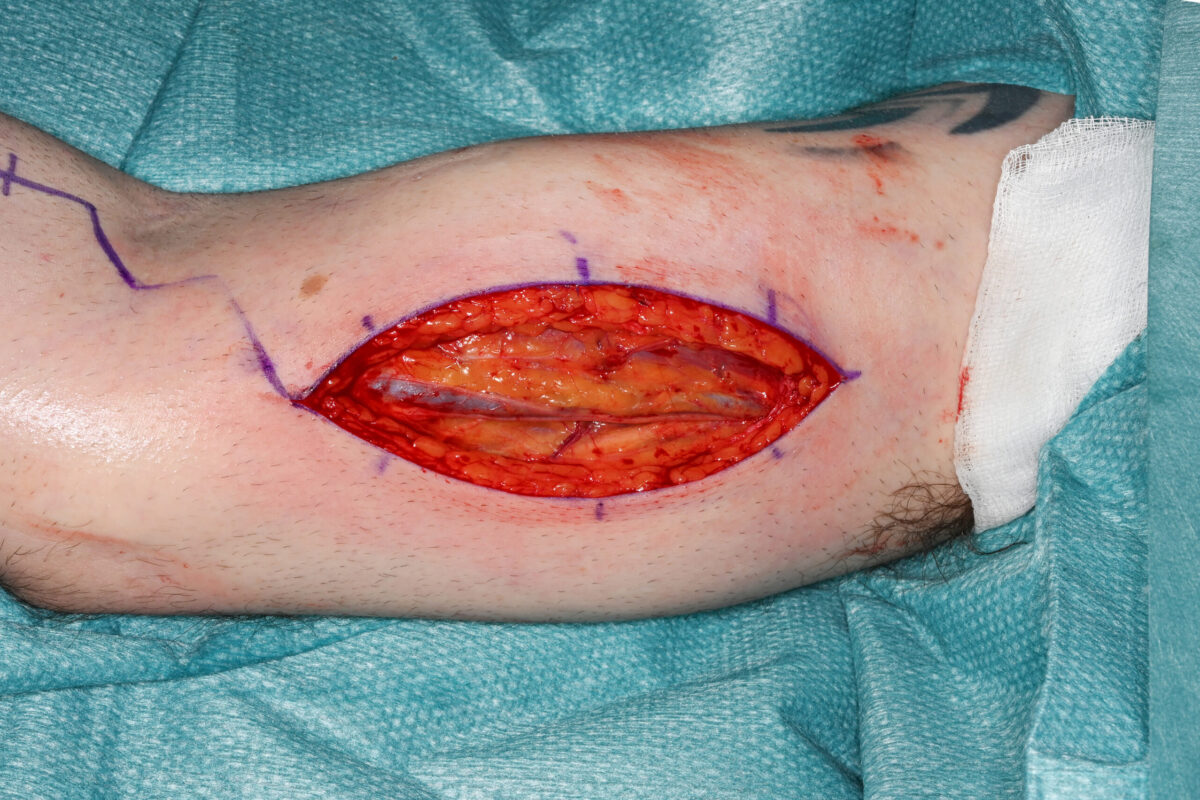
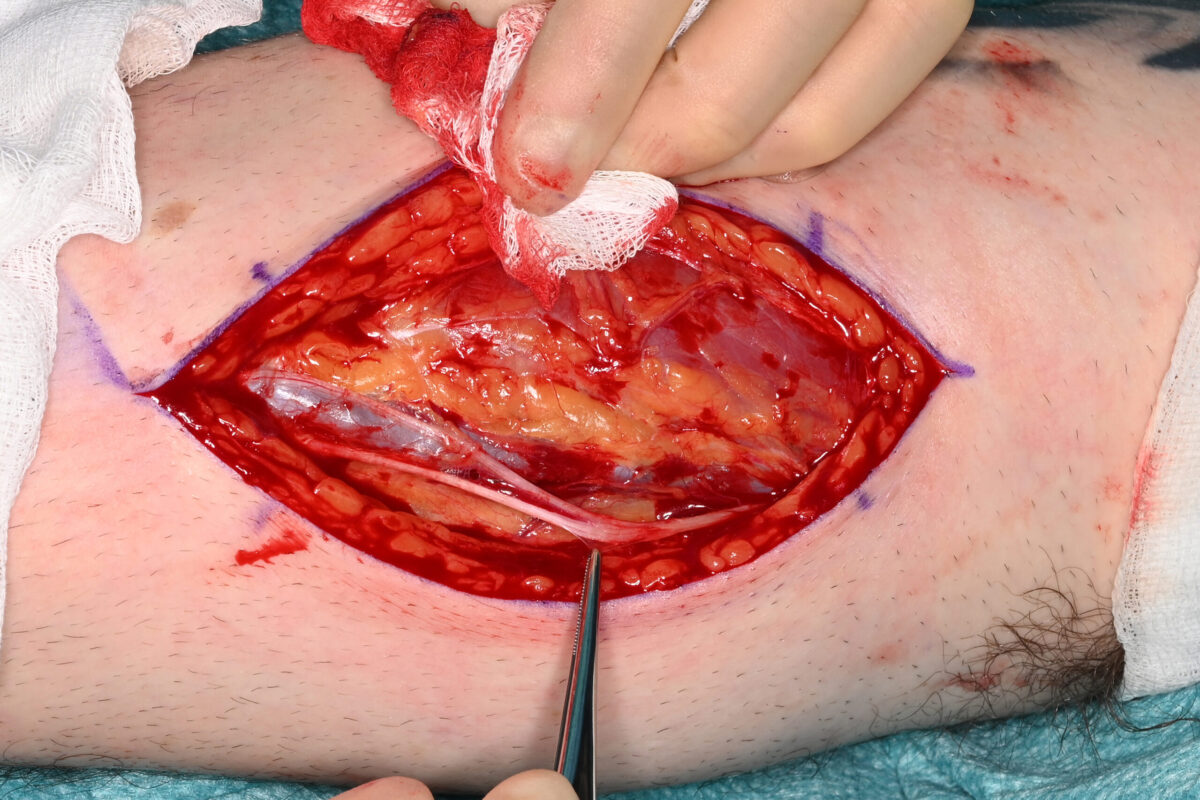
The transfer of motor branches from the supinator muscle to the posterior interosseous nerve (S-PIN transfer) to restore hand extension, particularly in tetraplegia or spinal cord injury (SCI), was pioneered and described by Jayme Bertelli et al. in the late 2000s. Early, key anatomical and clinical reports were published around 2009–2010, establishing the procedure for reanimating finger and thumb extension.
-
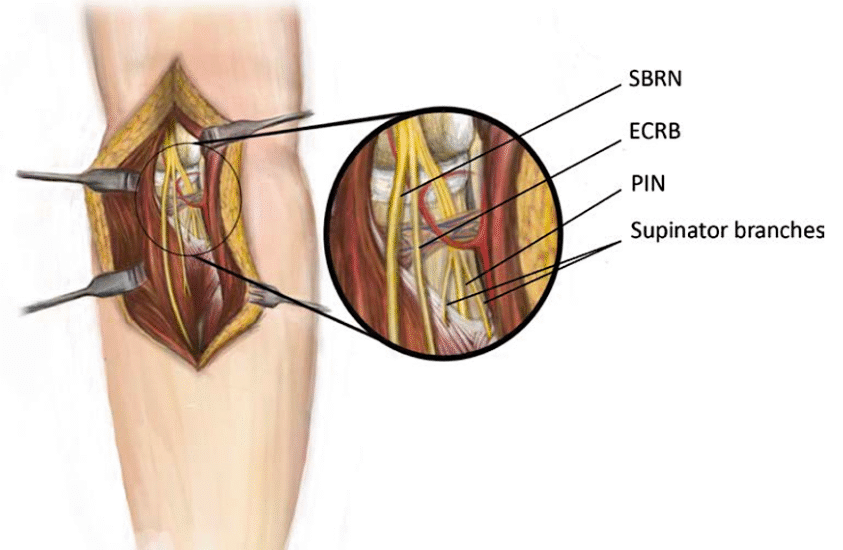
- Illustration – By © Chane Kulenkampff
Pre And Post Clinical Videos
Patient Experience
Reflections of upper limb surgery
This video shares powerful personal insights from patients who have undergone upper limb surgery. Through honest reflections and first hand experiences, it highlights the challenges, emotions, and recovery journeys that shape life after surgery.
SARAH’S EXPERIENCE
Sarah describes breaking her neck in 2018 and the life-changing surgeries at Stoke Mandeville that restored arm and hand function. A tendon graft and nerve transfers greatly improved her mobility and independence, allowing her to perform daily tasks and even learn to drive. She recommends the surgery and values the transformative results.
NICK’S STORY – FROM INJURY TO INDEPENDENCE
Nick explains he became a C5–C6 quadriplegic after an injury in 2002 while working as a firefighter. Upper limb surgery later improved his grip and independence, enabling self-care, driving, gardening, and sport. He returned to the London Fire Brigade as a cadet instructor and strongly recommends the surgery.